Tire Pressure Calculator
Check whether your tire pressure is below, above, or close to the recommended pressure.
Note: Always follow the recommended tire pressure shown on your vehicle’s door sticker or owner’s manual. Do not use the maximum PSI printed on the tire sidewall as your normal driving pressure.
Use our free Tire Pressure Calculator to check whether your tire pressure is below, above, or close to the recommended tire pressure for your vehicle. Proper tire pressure is important for safety, fuel efficiency, tire lifespan, and driving comfort.
Simply enter the recommended and current tire pressures to see whether you need to add or release air from your tires.
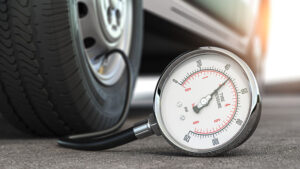
How to Use the Tire Pressure Calculator
Using the calculator is simple:
- Enter your vehicle’s recommended tire pressure in PSI.
- Enter your current tire pressure reading.
- Click the Calculate Tire Pressure button.
The calculator will indicate whether your tire pressure is too low, too high, or close to the recommended level.
Why Tire Pressure Matters
Maintaining the correct tire pressure helps improve vehicle performance and safety.
Benefits of proper tire pressure include:
- Improved fuel efficiency
- Better tire lifespan
- Improved braking performance
- Better handling and stability
- Reduced risk of tire damage
Even a small difference in tire pressure can affect how your vehicle performs on the road.
Where to Find the Recommended Tire Pressure
The recommended tire pressure can usually be found:
- On the driver’s side door jamb sticker
- Inside the fuel filler door
- In the vehicle owner’s manual
Do not use the maximum PSI printed on the tire sidewall as your normal operating tire pressure. Always follow the vehicle manufacturer’s recommendation.
Example Tire Pressure Check
Suppose your vehicle recommends:
- Recommended Pressure: 32 PSI
- Current Pressure: 29 PSI
The calculator will indicate that the tire pressure is low and estimate how much additional air is needed to reach the recommended pressure.
Understanding PSI, kPa, and Bar
Tire pressure may be displayed using different units depending on the vehicle, tire gauge, or air pump.
Common units include:
- PSI (Pounds per Square Inch)
- kPa (Kilopascal)
- Bar
This calculator also provides pressure conversions to help drivers understand equivalent pressure values.
Common Causes of Low Tire Pressure
Several factors can cause tire pressure to decrease:
- Natural air loss over time
- Temperature changes
- Small punctures
- Damaged valve stems
- Tire wear
It is recommended to check tire pressure regularly, especially before long trips.
Frequently Asked Questions
What is the correct tire pressure for my car?
The correct tire pressure depends on your vehicle. Always refer to the tire information label or owner’s manual.
How often should I check tire pressure?
Most experts recommend checking tire pressure at least once per month and before long journeys.
Does tire pressure affect fuel consumption?
Yes. Underinflated tires increase rolling resistance, which can reduce fuel efficiency.
Should I check tire pressure when tires are hot or cold?
For the most accurate reading, tire pressure should be checked when the tires are cold, before driving or after the vehicle has been parked for several hours.
Is higher tire pressure always better?
No. Overinflated tires can reduce traction, affect ride comfort, and cause uneven tire wear.